- Startup Spells 🪄
- Posts
- The Piggyback Marketing Strategy: 5 Ways to Ride Someone Else's Viral Hit
The Piggyback Marketing Strategy: 5 Ways to Ride Someone Else's Viral Hit
PLUS: Two Real Ways to 10x Your Team with AI

Startup Spells 🪄
April 25, 2026
The piggyback marketing strategy works like drafting in cycling. When a rider tucks in directly behind a faster cyclist, the lead rider punches through the air resistance. The follower slips into the low-pressure pocket left behind and gets pulled forward with less effort.
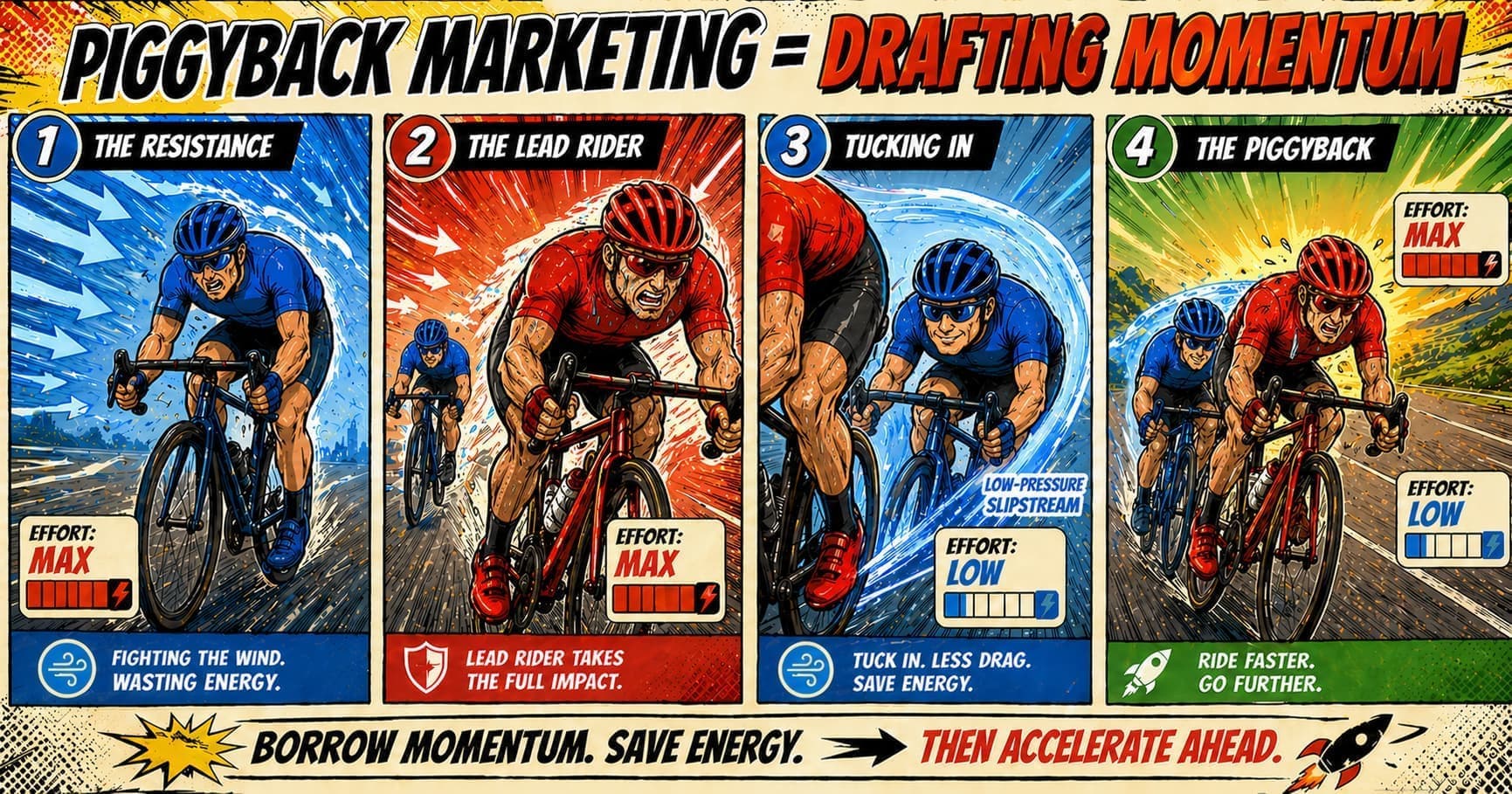
Piggyback Marketing Strategy - Ride a viral hit like drafting in cycling
Same physics, different arena. Instead of building momentum from scratch, you attach yourself to something that already has it. A viral product, a trending topic, a competitor's campaign. You position yourself right behind it and let its energy carry you.
A cyclist does not draft from a mile back. They tuck in tight, at the right moment, on the right wheel. The piggyback marketing strategy works the same way. Read what already has wind behind it and move quickly before the slipstream dissipates.
Here are 5 playbooks that turned other people's viral hits into independent success stories.
Segment the Audience
Wordle's virality was built on a single-player, shared-social loop. One puzzle a day. 6 tries. An emoji grid you paste into group chats.
The spin-offs didn't clone the game. They segmented the audience by changing the input type.
Taylordle
Taylordle was created by the Holy Swift podcast. It replaced dictionary words with terms from the Taylor Swift universe: Lover, Blank, Swift.
It hit 1.4 million visits in its first week and eventually racked up 5.9 million plays.
Taylor Swift fan communities convert well. They even have a term for it: Swifties.
The lesson here applies to any piggyback marketing strategy. If a mechanic is viral, apply it to a high-passion niche.
Fans like Swifties, Potterheads, and the BTS Army are pre-organized communities. They have shared language, group chats, and a reason to show off. Give them a version for them and you transform a general tool into a tribal identity marker.
It is the difference between opening a coffee shop on a random street versus opening one right outside a college campus. The customers are already there, caffeinated and habitual. You just serve their specific taste.
Nerdle
Nerdle targeted the STEM crowd by swapping letters for numbers and operators. It reached 2 million daily players within weeks. The pitch was obvious: Wordle for math people.
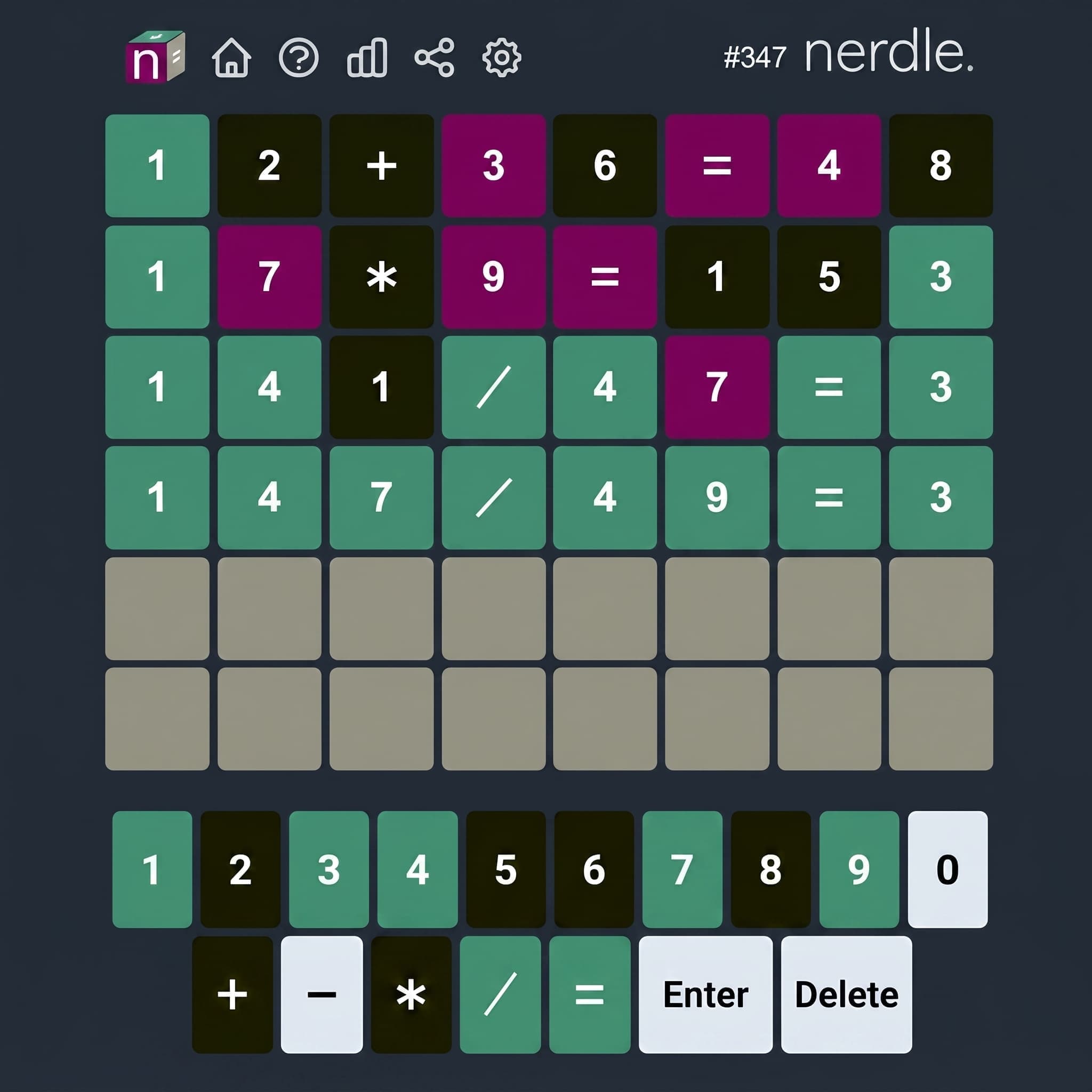
Nerdle applied the piggyback marketing strategy to the STEM crowd by turning Wordle's word puzzle into a daily math equation game
Framed
Framed applied the 6-tries mechanic to cinema. Instead of letters, users see a single frame from a movie. Each wrong guess reveals a more obvious frame.
Framed improved on Wordle's feedback loop in a subtle way.
In Wordle, you get abstract color feedback based on your input. In Framed, you get new data (a better image) regardless of what you guess. That just one more frame pull made sharing results feel like a badge of cinematic expertise.
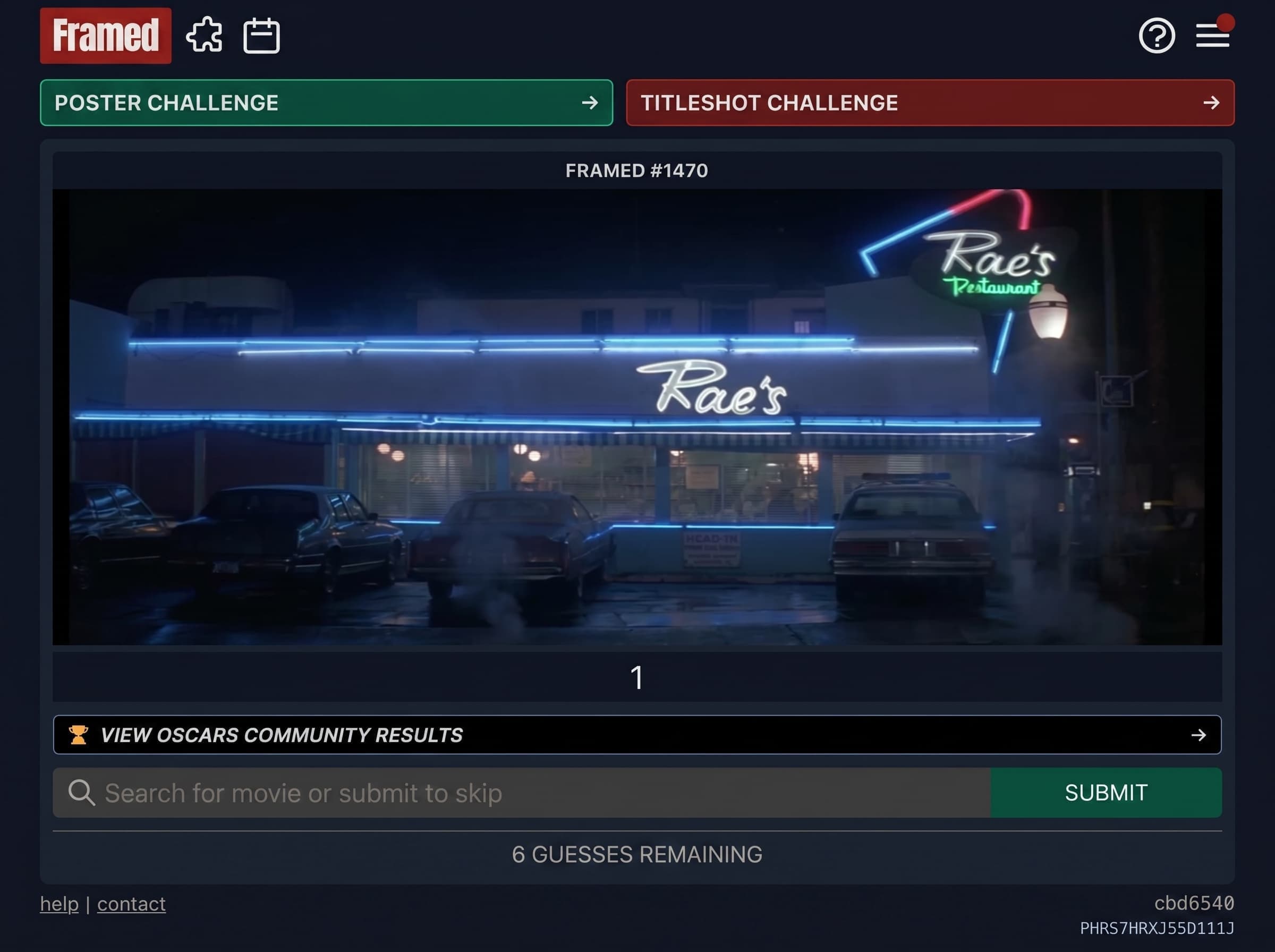
Framed shows progressively easier movie stills with each wrong guess, turning film knowledge into a daily social competition on Letterboxd and Twitter
It hijacked Film Twitter and the Letterboxd community, where identifying obscure shots is a point of pride. Results flooded both platforms because the audience was already congregating there.
Heardle
Heardle asked users to identify a song from increasingly long opening snippets. It reached 69 million monthly visits at its peak before Spotify acquired it.
The pattern across all 4 spin-offs: pivot the medium, not the mechanic.
Wordle: text and vocabulary
Nerdle: numbers and equations
Framed: images and visual recognition
Heardle: audio and music
Worse Quality, Better Growth
In mid-2022, OpenAI's DALL-E 2 was the hottest thing in tech. But it was behind a strict waitlist. People were desperate to try it.
Boris Dayma released an open-source, much smaller model on Hugging Face and named it DALL-E Mini. It was not affiliated with OpenAI, but the name made it the default for anyone who could not get into the official beta.
It hit 4.7 million users in 1 month.
Here is the twist: because the model was worse than the original, it produced distorted, cursed images (think Thanos eating pizza) that were actually better for meme culture than high-fidelity art.
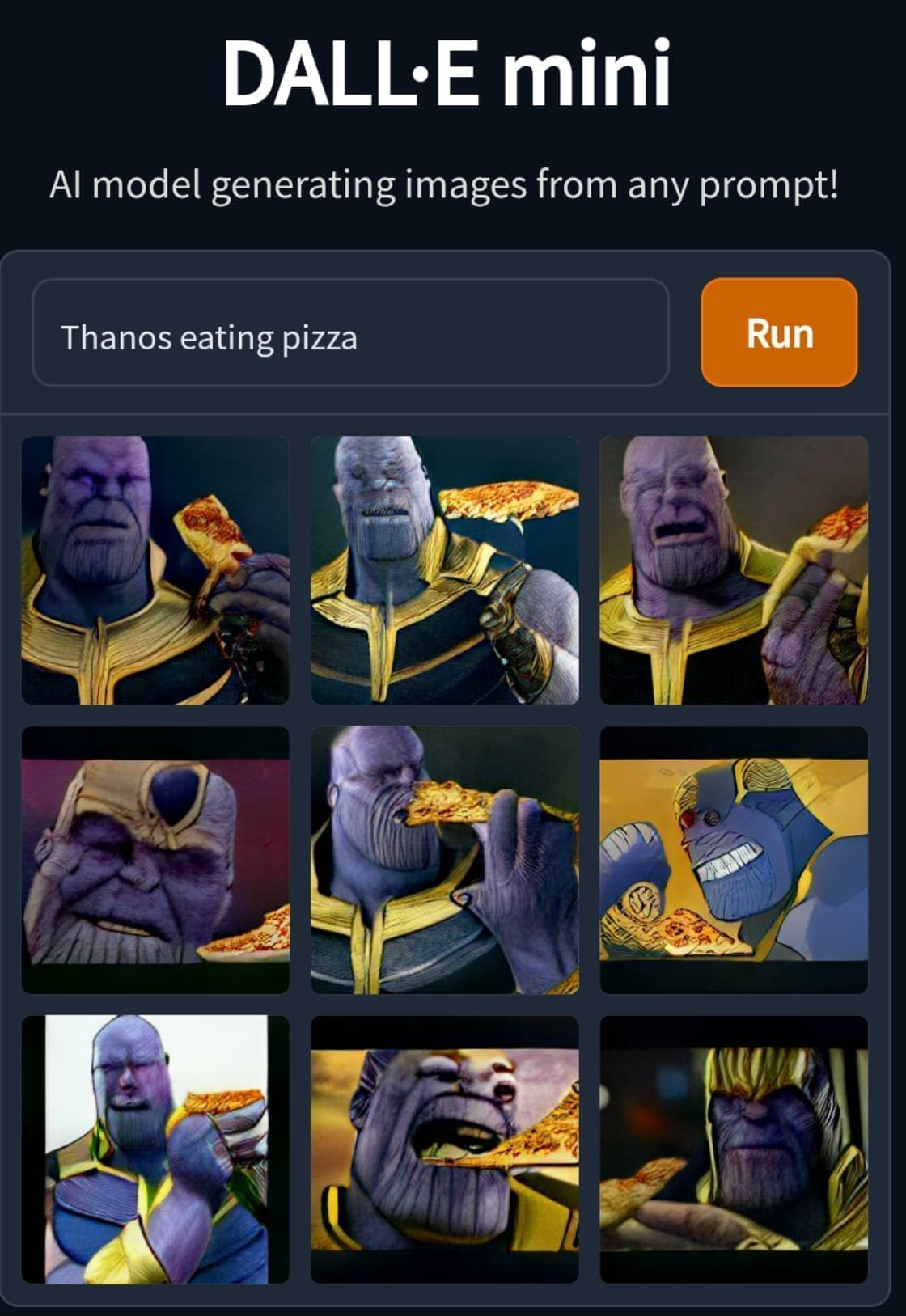
DALL•E Mini - Thanos Eating Pizza
Users flooded social media with these bizarre creations, and each shared image became free marketing. The imperfection became the feature.
OpenAI eventually forced a name change to Craiyon, but by then the user base was already cemented. 4.7 million people were not going to re-learn a brand.
The growth lesson is simple. Whenever a viral product has a waitlist, high price, or steep hardware requirement, there is a massive under-market waiting for a good enough free version.
DALL-E Mini did not compete on quality. It competed on zero friction. That friction gap was worth millions of users. DALL-E Mini is a good example on how to build a viral clone.
When Fan Fiction Becomes a Business
While Nintendo maintains a tight grip on Pokémon, Palworld capitalized on a decades-long what if from the fanbase: what if Pokémon was a survival game with modern mechanics?
By combining familiar creature-collecting aesthetics with Minecraft-style survival and Fortnite-style combat, Palworld sold 15 million copies on Steam in its first month.
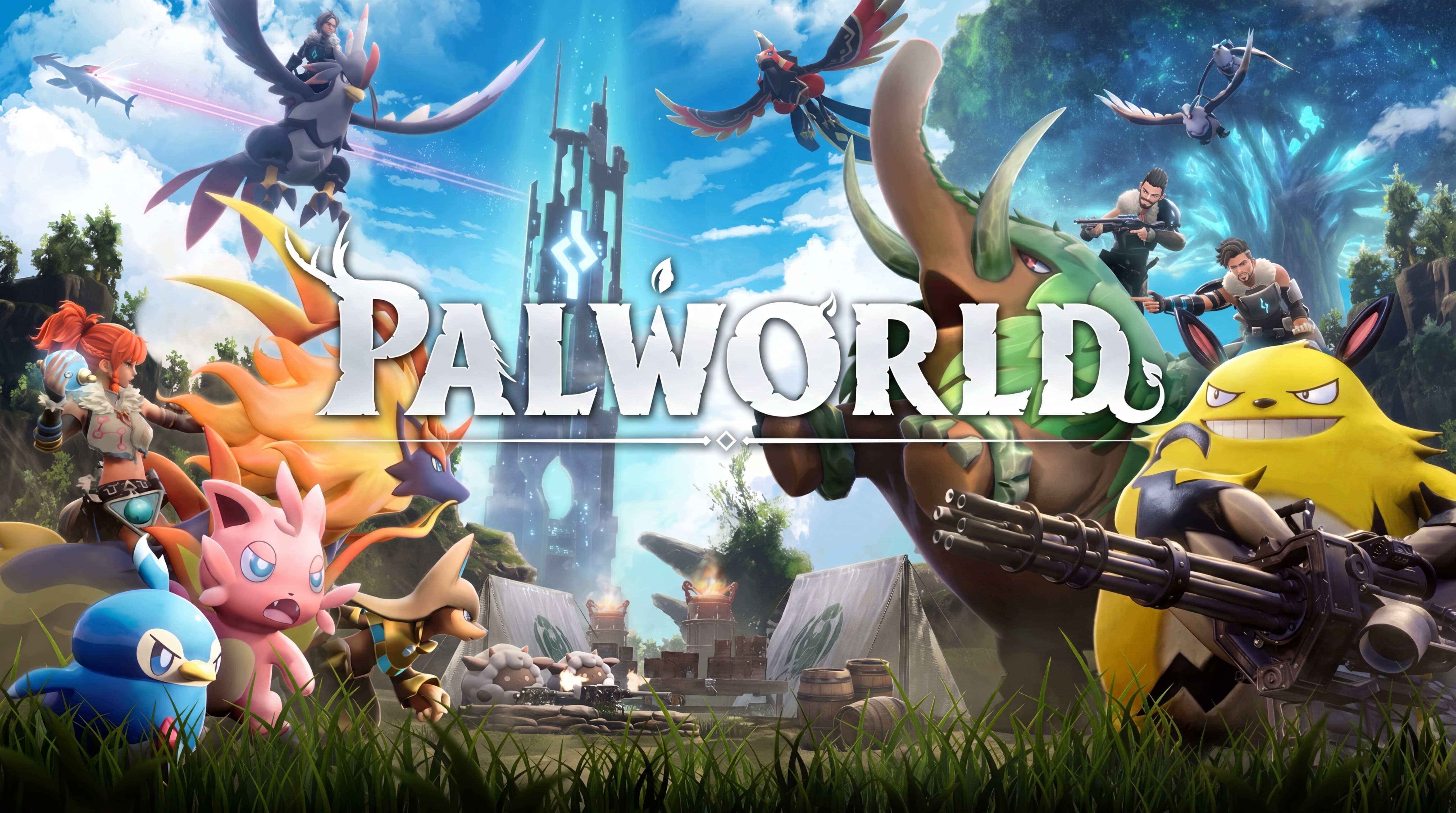
Palworld combined Pokémon-style creature collecting with survival mechanics and combat, selling 15 million copies by building what Nintendo refused to make
The growth hack was counterintuitive. They leaned into the controversy.
By positioning themselves as Pokémon with Guns, they forced the internet to debate is this a rip-off? That debate was not a threat. It was their primary marketing engine. Every tweet, every Reddit thread, every YouTube reaction video asking can they really do this? drove awareness without costing a dollar.
The lesson: if there is a feature the original creator is too afraid to build, the demand has been simmering for years. Sometimes decades. Build it.
It is the same reason food trucks thrive outside stadiums. The venue will not serve what people actually want at 11 PM. So someone parks a truck out front and sells exactly that. The demand was always there. The venue just refused to fill it.
How Lensa Packaged Free Tech Into a One-Tap Empire
When OpenAI released the ChatGPT API, thousands of startups piggybacked on the AI hype by creating specialized interfaces for the general-purpose model.
ChatPDF turned the viral power of GPT into a specific tool for students and researchers to talk to their documents.
In early 2023, ChatGPT struggled with long PDF files. ChatPDF piggybacked on that exact limitation, creating a simple upload-and-chat interface that captured the student and researcher traffic ChatGPT was failing to serve.
Lensa took the viral interest in AI-generated portraits (powered by Stable Diffusion) and made it a one-click paid app.
While Stable Diffusion was free and open-source, it required command-line skills, model selection, and prompt engineering.
Lensa packaged all of that complexity into a single Magic Avatar button. The result: millions of dollars in revenue within days.
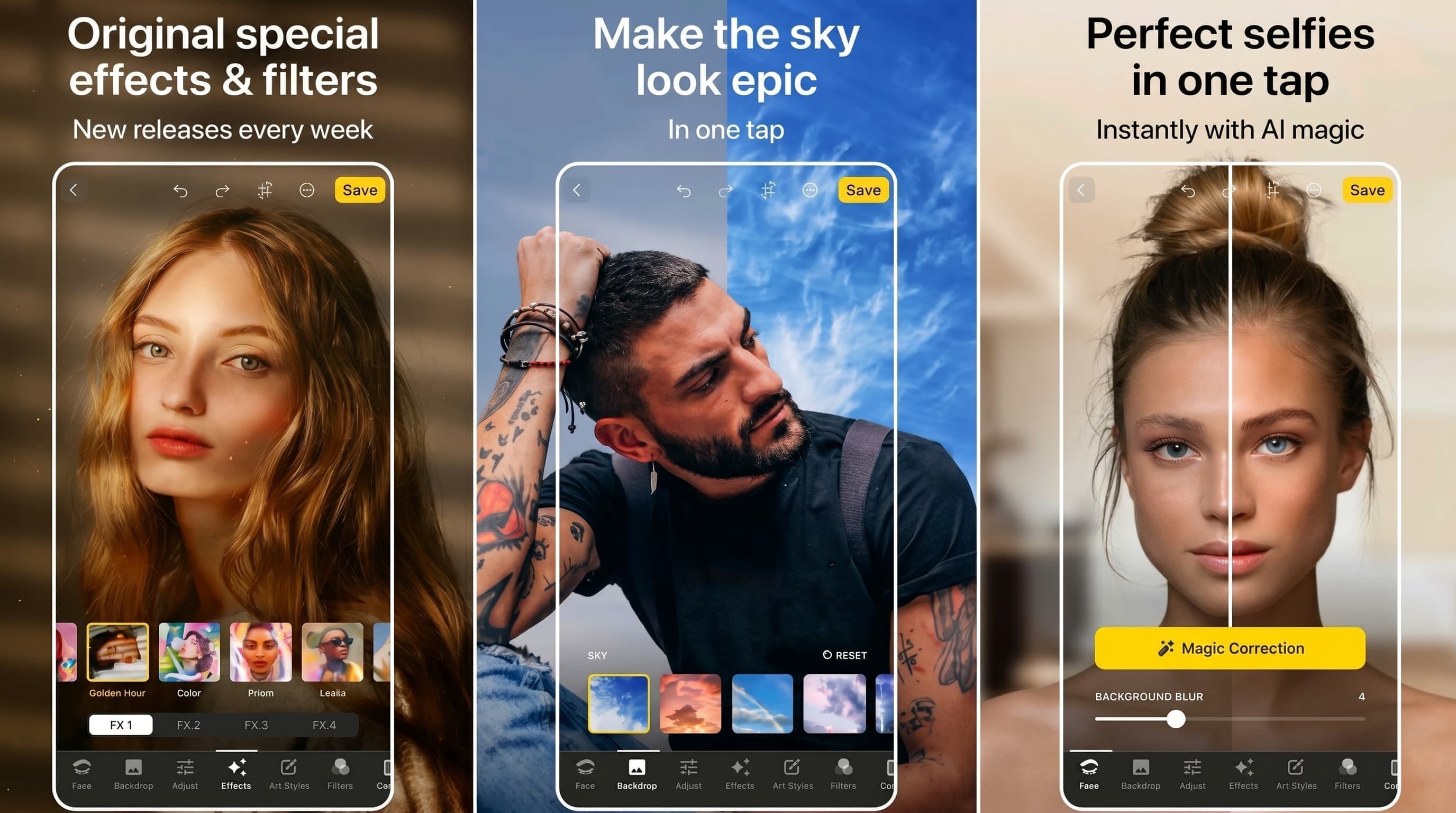
Lensa turned the complexity of open-source Stable Diffusion into a one-click Magic Avatar feature, generating millions by wrapping free AI technology in simple UX
These tools used SEO-heavy names (AI Resume Builder, AI Headshot Generator) to ride the massive surge in Google searches for anything with AI in the name. The naming itself was the growth hack. Search intent was exploding, and whoever matched the query first won.
The strategy: find the friction in a viral tool (too technical, missing a use case, bad at a specific file type) and build a wrapper that solves that one problem.
You are not building a competitor. You are building a bridge between the hype and the people who cannot cross it on their own.
Think of it like tutoring. The textbook is free. The lectures are free. But a student will pay $50 an hour for someone who can explain the same material in 20 minutes without the jargon. That is the gist of the wrapper business model.
In 2023, the game Only Up! went viral on Twitch. Streamers like IShowSpeed turned it into rage-quit content that performed exceptionally well on TikTok and YouTube. At its peak, it hit 280,000 concurrent Twitch viewers.
Then the solo developer permanently removed it from Steam in September 2023. In a final Steam update, the developer wrote:
"I'm a solo developer and this game is my first experience in gamedev. The game has kept me under a lot of stress all these months. What I need now is peace of mind and healing."

Only Up! was a viral 2023 platformer that peaked at 280,000 Twitch viewers before its solo developer permanently delisted it from Steam
The game had earlier been temporarily delisted for copyright violations (including non-commercial 3D models, stolen sound effects from Final Fantasy VII and Minecraft, and NFT-related promotions).
Despite mostly positive reviews and an estimated $2.6 million in revenue, the developer chose to walk away.
The removal left millions of fans and thousands of streamers with no way to play the trend. That vacuum was the opportunity.
Chained Together released in 2024. It took the exact same climb to the top concept but added a co-op twist: players are literally chained to each other. One person slips, both fall. It gained 80,000 players in its first week.
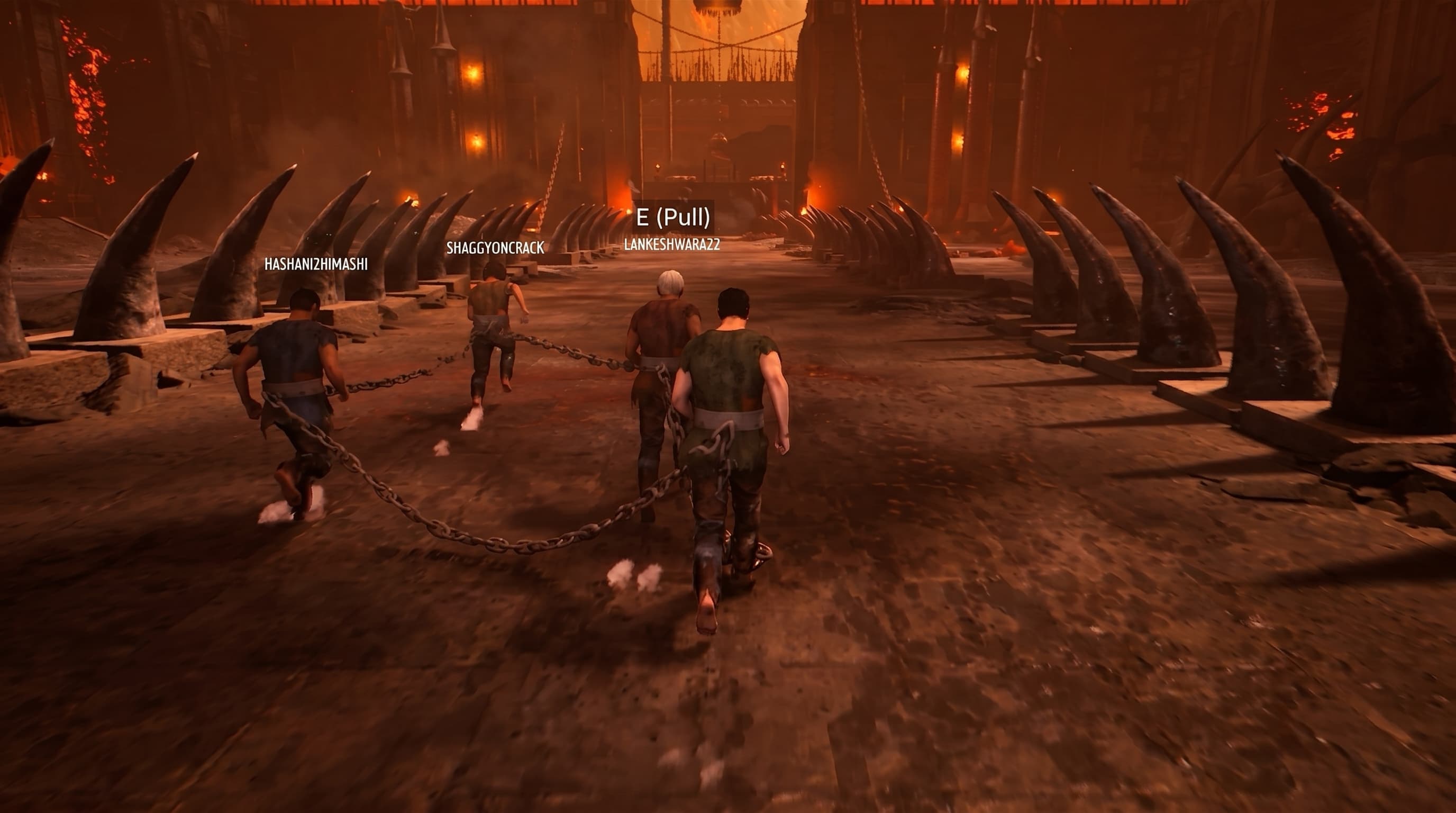
Chained Together filled the vacuum left by Only Up!'s delisting, adding a co-op chain mechanic that gave streamers even better rage-quit content
The targeting done by Chained Together was specific. They went after the exact same streamers who had made Only Up! viral.
They knew that rage-gaming content performs well on TikTok and YouTube. The co-op twist gave those streamers something even better. Two people raging together is more entertaining than one.
The lesson: when a viral hit disappears, its audience does not. They are actively searching for a replacement. Be that replacement. Be the copycat startup.
3 rules that every successful piggyback follows:
Timing is everything. You must launch while the main hit is still in its upward trajectory or at the peak of its controversy. Too early and the market does not exist yet. Too late and the hype has faded. You can't launch Barbie-themed marketing today because that moment has passed.
Reduce friction. The goal is to catch people who are already interested. Do not make them learn a new system. Use familiar UI and UX so they can start instantly. Build a one-tap app like Lensa AI rather than giving 100s of steps like Stable Diffusion.
The Yes, And method. Do not just clone. Offer the viral hit plus one specific thing the original is missing. Wordle, but for movies. Pokémon, but with guns. ChatGPT, but for PDFs.
Strategy | Example | How It Works |
|---|---|---|
Niche Pivot | Nerdle / Framed / Taylordle | Apply a viral mechanic to a high-passion hobby |
Accessibility Hack | DALL-E Mini / Craiyon | Offer a free, no-waitlist version of a gated product |
The What-If Build | Palworld | Build the feature the original creator won't |
The Wrapper Play | ChatPDF / Lensa | Fix a specific limitation of a viral tool |
The Vacuum Fill | Chained Together | Fill the hole when a viral hit disappears |
You do not need to plant the entire orchard. Sometimes the smartest move is finding a tree that is already heavy with fruit and setting up your stand underneath it.
Find something with momentum, tuck in behind it, and let its slipstream accelerate your growth.
Top Tweets of the day
1/
Being Early is equivalent to being wrong.
There was a Bitcoin before Bitcoin, but it wasn't the future currency.
2/
Best way to create viral content is to copy viral content from the best.
3/
Love the phrase "pack hunters" in here. Different way of saying environment matters. Survival of the fittest.
Rabbit Holes
What’d ya think of today’s newsletter? Hit ‘reply’ and let me know.
Do me a favor and share it in your company's Slack #marketing channel.
First time? Subscribe.
Follow me on X.
More Startup Spells 🪄
Airbnb Pro Photo Program Growth Strategy: $5,000 Camera Trick That Doubled Revenue in 30 Days (LINK)
LinkedIn Post Generator: How a Parody Tool Went Viral, Got 2M Users & Sold in 7 Days (LINK)
Wispr Flow's Case Study Page Is a Conversion Funnel in Disguise (LINK)
How OpenArt AI engineered the perfect feature adoption loop using activity-based credits (LINK)
Ryanair's Social Media Marketing Strategy (LINK)
Reply